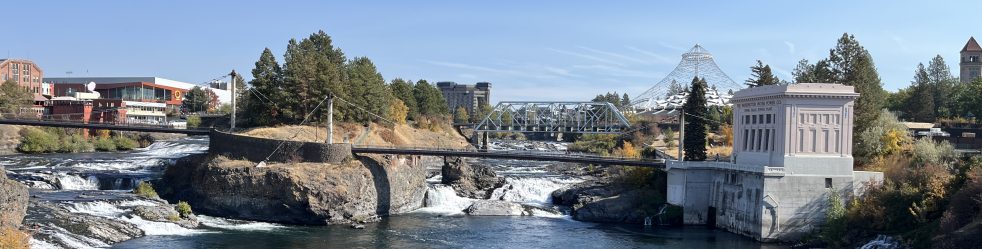
It took me a l-o-n-g time to figure out that summers in Eastern Washington are NOT temperate.
I grew up west of the Cascades, so I was used to being able to work in the yard year round. Not that I did, mind you, but I had the option. I lived in New York City for a decade and had no yard at all, so the hot, muggy summers were something to survive rather than enjoy… except for the farmer’s market at Union Square, which is luscious in the summer. Something about the heavy, humid air allowed scents to linger deliciously…
When we moved to Spokane and bought a house, I was under the very-much-mistaken impression that gardening here would be like gardening in Portland, Oregon.
Problem #1: it is much drier here than on the West side.
Problem #2: it is also (usually, generally) hotter (though, thanks to climate change, the differences aren’t as pronounced as they used to be).

These issues are not helped by the fact that every Barnes & Noble stocks gardening books for the “Pacific Northwest” in their garden sections.
We’re in Washington State, yes, so technically the PNW.
But in terms of our ecoregion,* we have more in common with the WEST (Montana/Wyoming/Colorado): hot, dry summers; cold, snowy winters, short growing seasons. Rainy seasons are hit or miss (in part because of climate change), and we have potentially nasty fire seasons. Our gardens benefit from plants that are hardy over winter, and tolerate hot, dry soil in the summer.
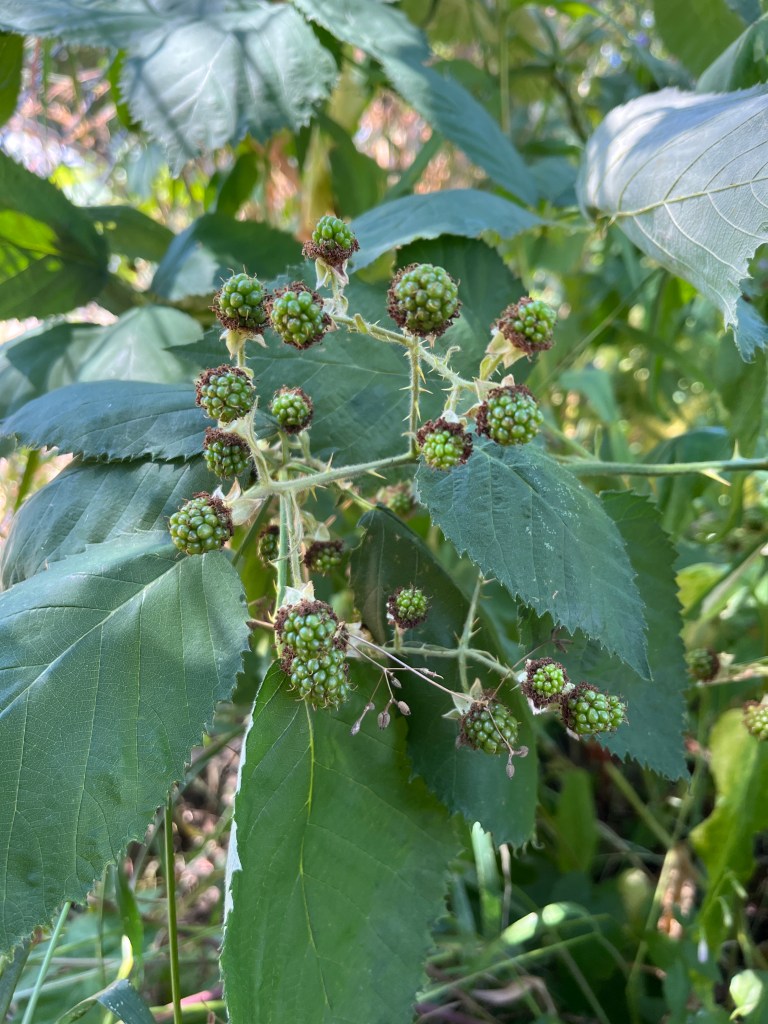
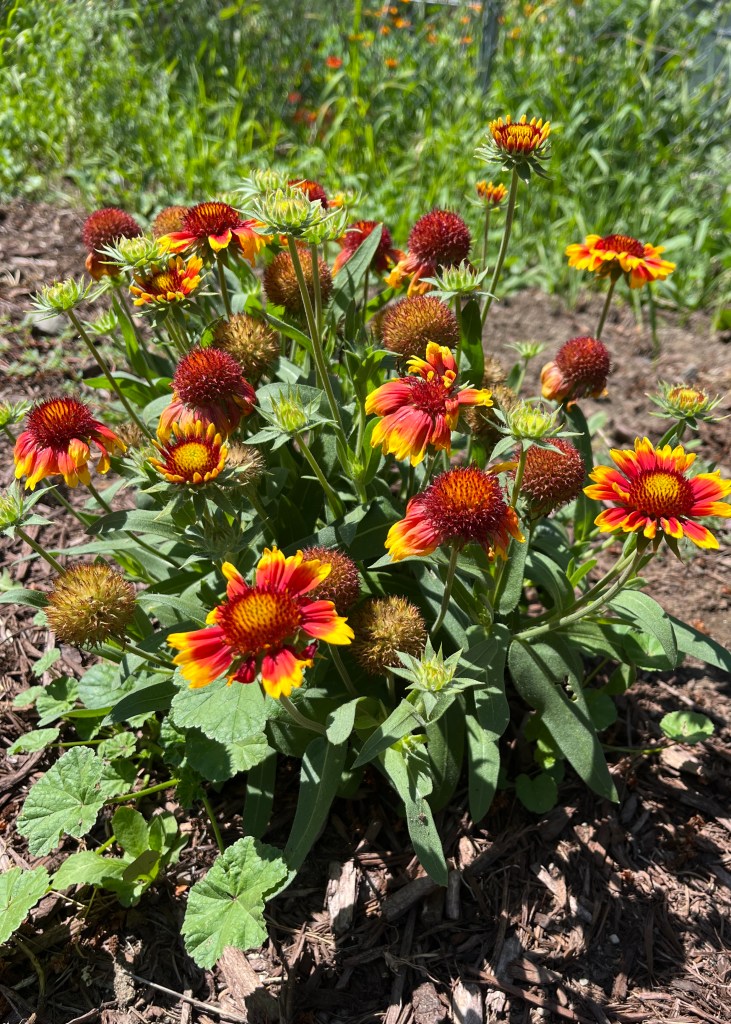
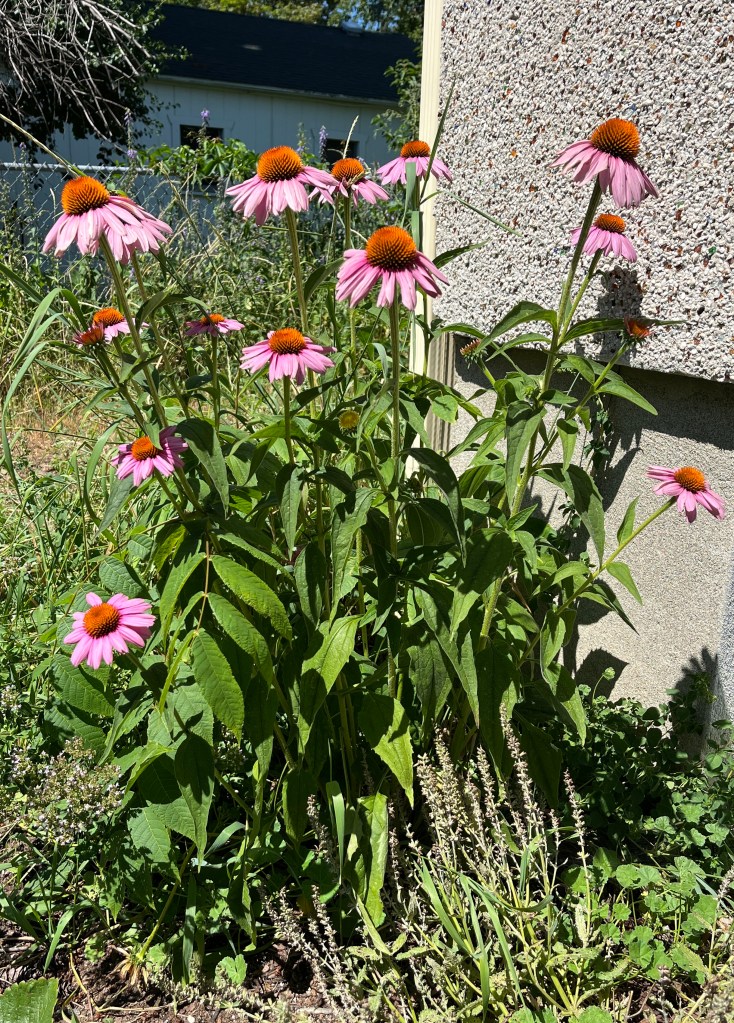
Russian sages, lavenders and blanket flowers love it here. Oregano and yarrow volunteers in the backyard, and salvia and buckwheat are delighted. We had a wet spring this year, so our volunteer blackberry (that lives in a shady spot in the yard) is pretty happy even though we don’t water it at all. I planted some catmint last fall that seems to be doing pretty well, and the bees like it quite a bit.
Our backyard is a mess, actually. It’s vastly improved from last year, and will require some more time (and plants!) to get it in shape. Grass does not like to grow out back, so we’re introducing more clover into our diminishing lawn area, and actually replacing much of the lawn with native and/or introduced plants that a) tolerate the conditions, and b) attract insects and birds. We do not spray our back yard. It’s somewhat hit or miss, but we’re getting there.
One thing I have learned over the years is that I can’t do much work outside in July, August, or the first part of September — it’s too hot and dry to do any planting (without committing to excessive water use), so I spend all of my limited time outside weeding and watering (when necessary).
Interesting work happens in the spring and fall.
Last fall I converted a bunch of lawn into a perennial bed, and that work will continue in late September of this year. I will be adding a fernbush, a couple more salvias, more coneflowers, some buckwheat, a couple of larger lavenders, some butterfly weed and bee balm. The bed will expand a bit to accommodate some black-eyed Susans and low growing lamb’s ear. I was a little too conservative with plantings last year, so I’m going to start filling in this fall.
Should be fun..
* In terms of ecoregion, Spokane is technically in the Northern Rockies — when we grow vegetables (in raised beds, in our case), we’re better off if we follow guidelines for growing in the mountains — even though we’re a little ways West from the foothills. We’re also at the edge of the Channeled Scablands. The geography here is changeable in some interesting ways.

 Carmen Yount