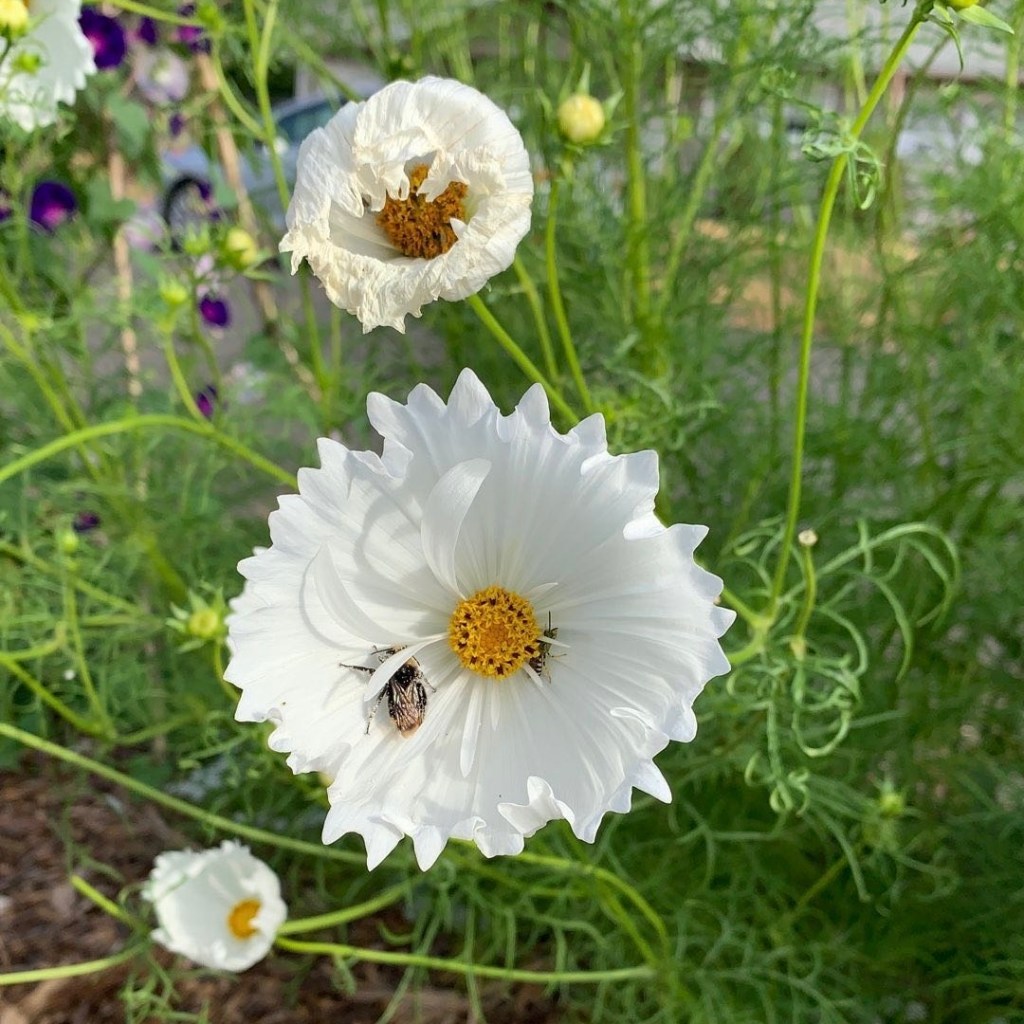
…that insects sleep in flowers?
a personal project
…that insects sleep in flowers?
On Friday evening and Saturday morning, I got to take a bookbinding workshop. I’ve been wanting to learn to sew text blocks onto tapes, and that was the focus of the class, which was awesome, but there was so much more.
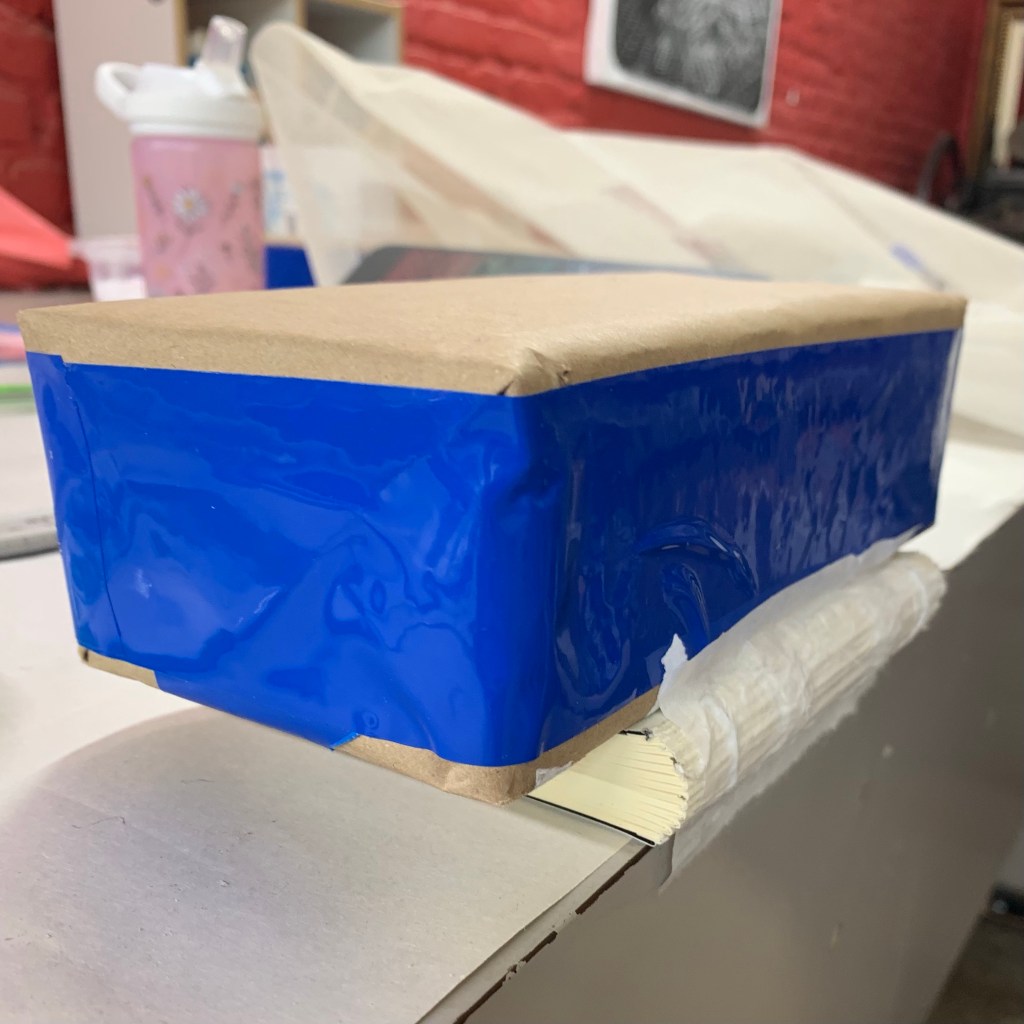
We were exposed to techniques that I’ve never even heard of or read about:
1) we made zigzagged end papers to help stabilize the attachment to the cover…
2) we pared leather… my attempt wasn’t all that successful, but it’s not something I’ve ever done, so the lack of success was both understandable and acceptable.
3) we sandwiched our covers. That text block is not going anywhere.
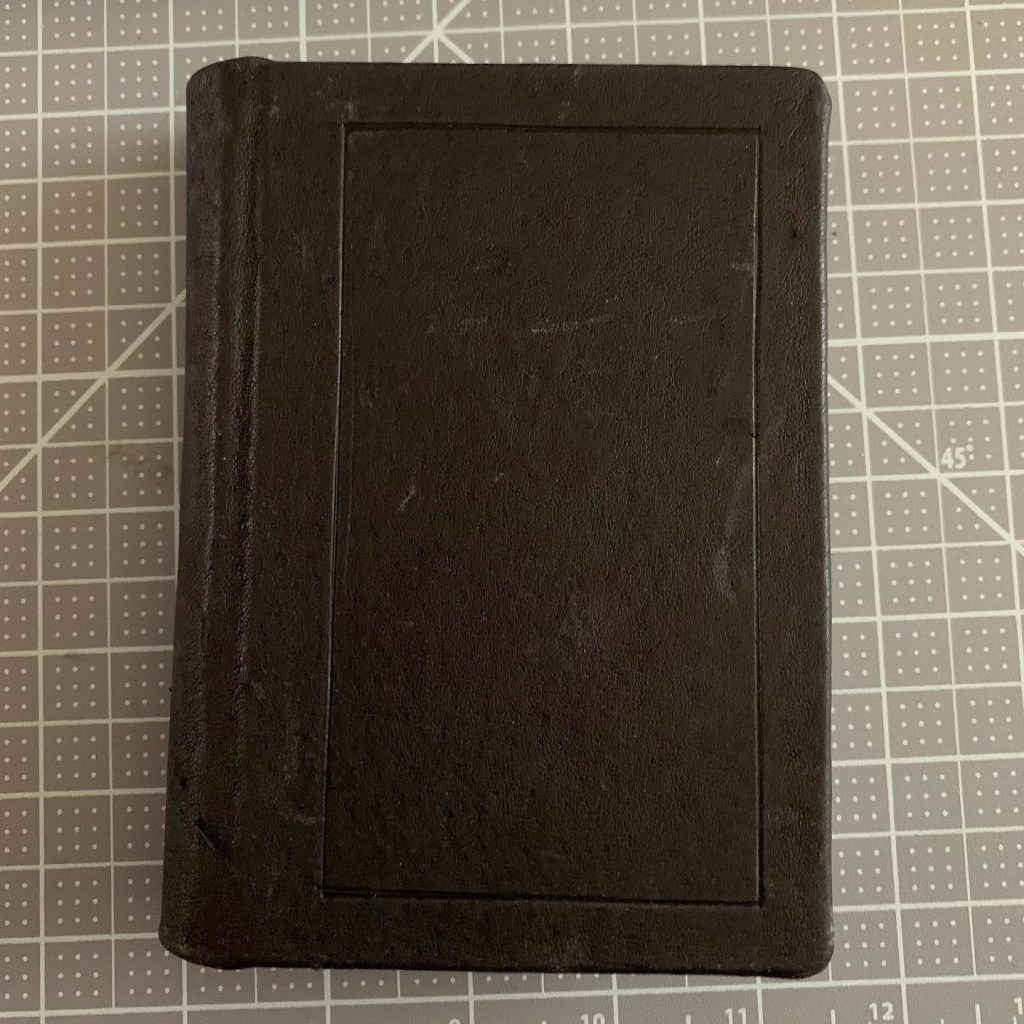
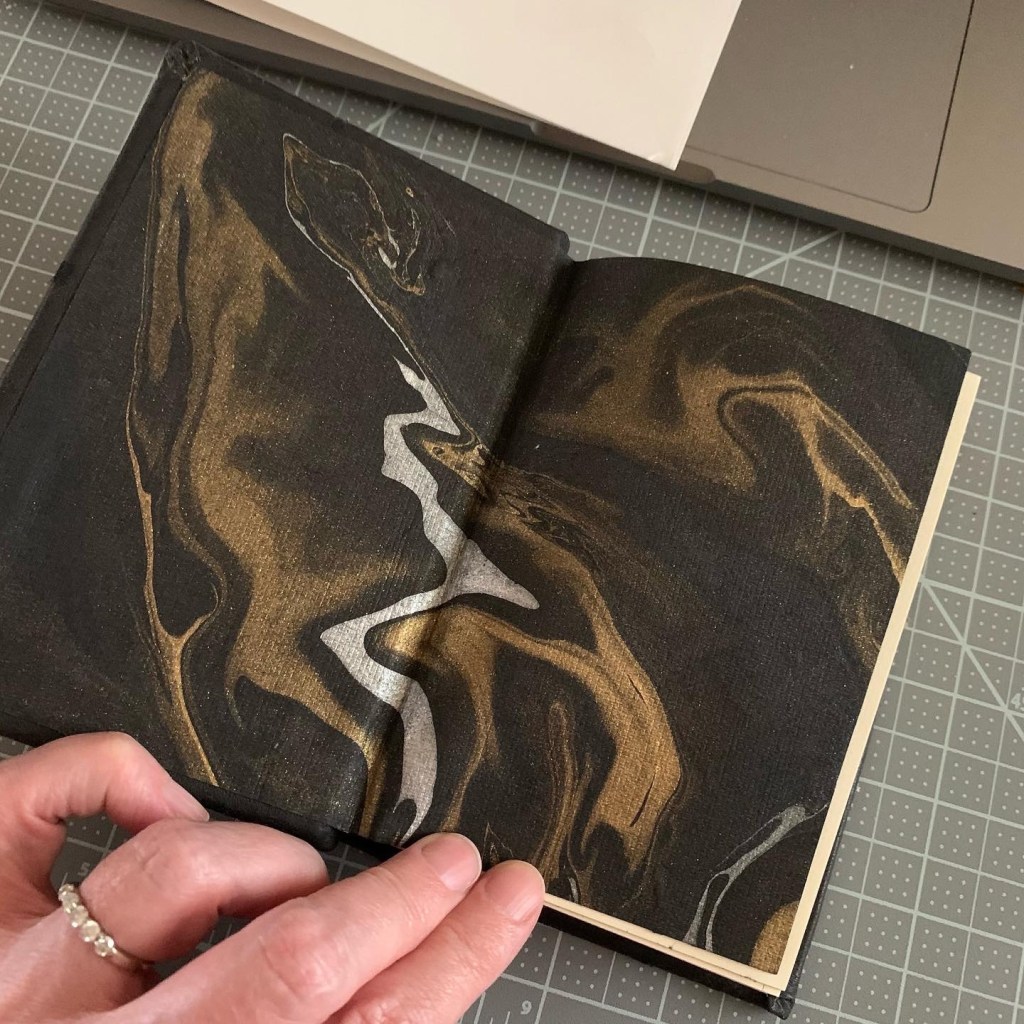

When I take these workshops, I’m more interested in being exposed to new techniques than I am in making a masterpiece. If it’s my first time trying something, I reserve the right to create a disaster. Anything other than a disaster is icing on the cake.
This was not a disaster. There’s a lot of room for improvement, though. It will require quite a bit of practice before any of these skills can actually become useful to me, and that’s fine.
We took a trip last week, to visit family members we hadn’t seen since Thanksgiving 2019, and then swing by the coast for a couple of days for a break from the heat and smoke.
Lots of driving (totally fine!), some nice walks, and it was beyond delightful to see the ocean.
We’re vaccinated. Our family members (more vulnerable than we are) are vaccinated. We were pretty careful in the week leading up to our trip, but because case counts and hospitalizations are very high here right now, we took an extra precaution…
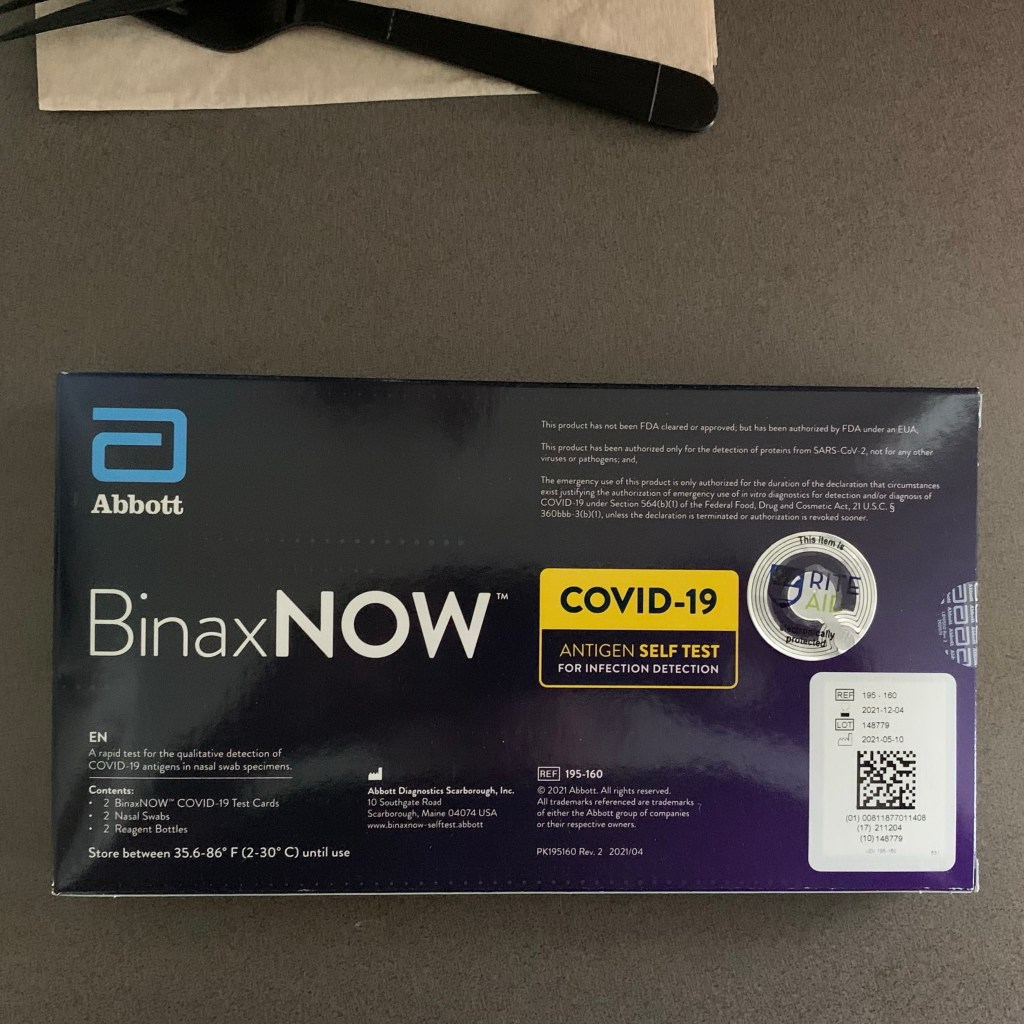
Not foolproof, but it gave us an indication that neither of us was shedding virus when we left.
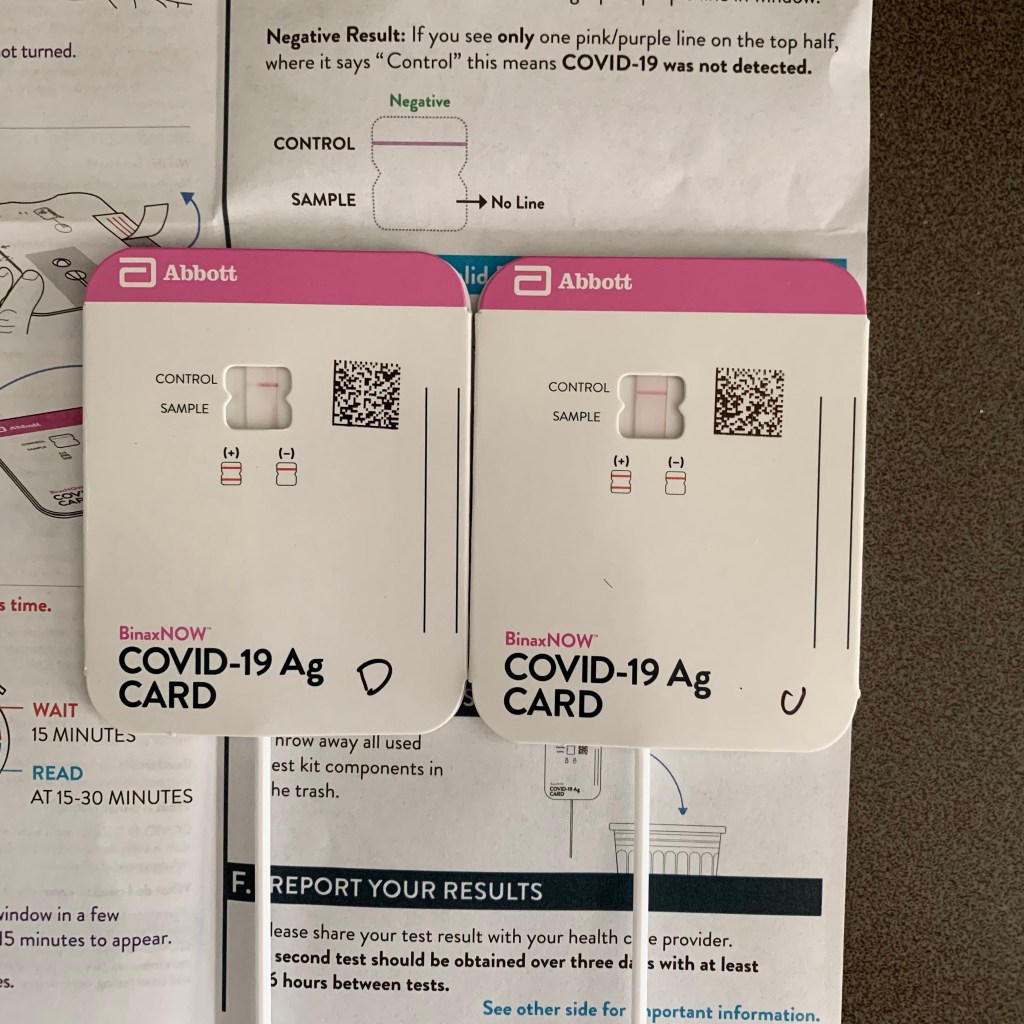
It was easy, and added an extra bit of peace of mind…
… but it still kind of sucks.
I have a hate-hate relationship with Covid-19. I’ve been lucky enough — and privileged enough — to avoid it, so far (knock wood). I have been vaccinated since mid-May. I still wear masks in most indoor settings.
I’ve resigned myself to the idea that I might not ever get to write in a coffee shop again. I’m still mad about it, but I’m heading toward acceptance at a faster, easier clip than a couple of months ago.
I’ve never been particularly afraid that I would die from Covid — I’m young enough and healthy enough that death rates in my demographics are pretty low.
But I have a couple of reasons to believe that I might not have an easy time of it. I have asthma, and a deep and abiding appreciation for being able to breathe, thanks to appropriate maintenance meds. I don’t want to upset that apple cart with a big respiratory disease.
Add to that I have had an experience with a long-tailed viral infection — a history of not bouncing back from illness. Repeating a cycle of unending fatigue, joint pain and brain fog for multiple months is not my idea of a good time.
All of this is to say that I’m a HARD NO on throwing caution to the wind, because long covid would S-U-C-K.
Unfortunately, this means relying on a not always reliable source for local information about what’s going on in my community. Take yesterday, for instance.
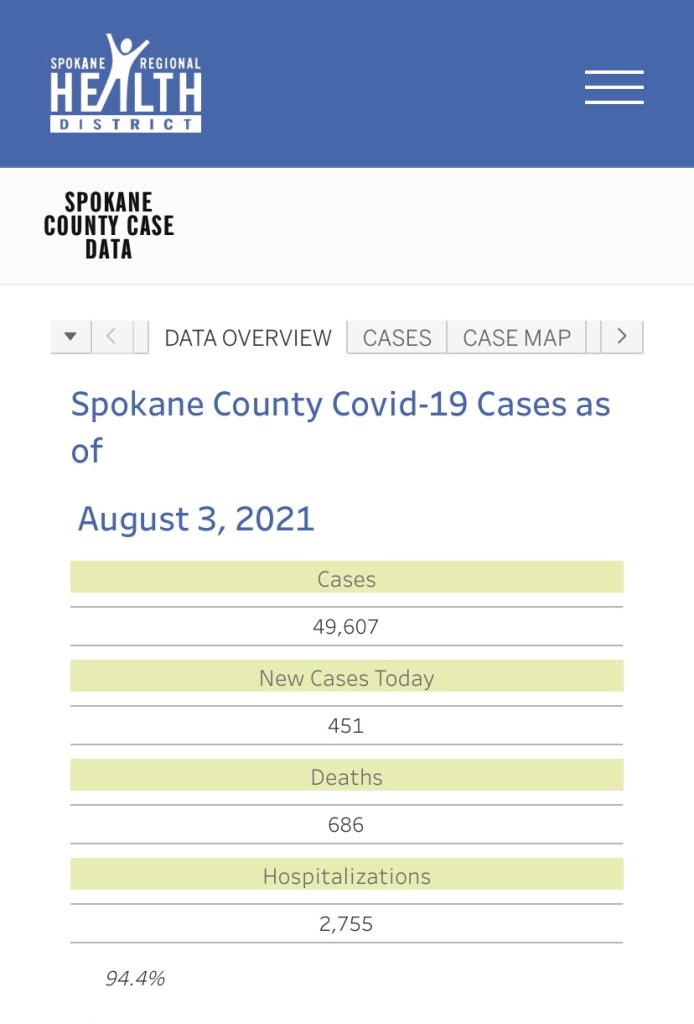
451 cases is a four-fold increase in daily cases from the last week (~100 cases a week is still WAY too high for this region), so at first glance, it looks like Spokane is having one hell of an outbreak.
Except…
The Spokane Regional Health District has a history of adding backlogged results into random days.
It’s frustrating, because when that happens, none of us has any idea what’s actually going on with the pandemic. Is this an outbreak? Is there some kind of odd cluster somewhere? Do I need to change my behavior?
SRHD apparently doesn’t feel like it’s their place to provide any kind of context for these numbers. This region was over the pandemic before it started, and our behavior as a community has never been exemplary. I’m sure the health district has taken no small amount of heat for everything they’ve done over the last 16 months (only some of which they’ve deserved).
But to have our health district be so lackadaisical is even less helpful in that context, because I don’t know what my response to conditions should be as an individual (should I mask when I run into a store? Is eating in a restaurant not a good idea, AGAIN?), never mind getting my neighbors to respond to public health recommendations.
And yesterday, they posted the case numbers with no explanation for the massive increase. I tweeted at them, and I’m sure the local news organizations approached them and were like, “uhhhh, what’s going on here?”
The local news organizations must have gotten involved, because about an hour after posting the giant numbers, this note appeared on the site:
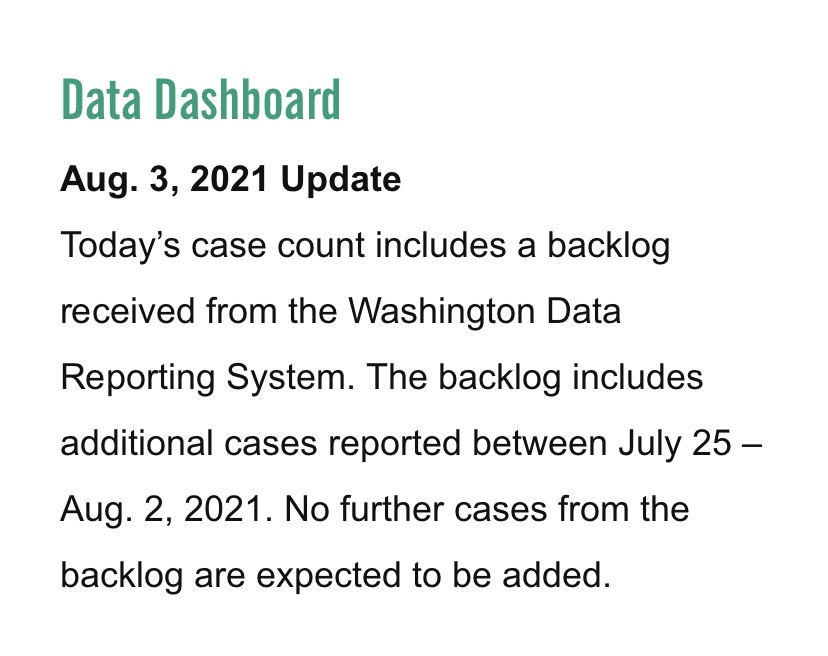
Sigh. This reeks of multiple phone calls to the SRHD that they were tired of answering.
Maybe, just maybe, it would be a good idea to try to get ahead of the questions by proactively posting information about what’s going on, along with the testing data from today, so we actually know how many records are part of the backlog?
I’ve been a fan of Austin Kleon for a while now — I’ve purchased (and read!) all of his books, I subscribe to his (wonderful) weekly newsletter, and I try (but don’t always succeed) to keep up with his blog. He did a self-directed zine challenge — while the pandemic was gearing up — that is worth looking up.
A while ago, he highlighted a simple project that he’s been working on: filling a five-year, one-line-a-day diary with quotes. I’ve been a fan of collecting quotes for many years, and it seemed like a somewhat easy, low commitment thing to do, so…
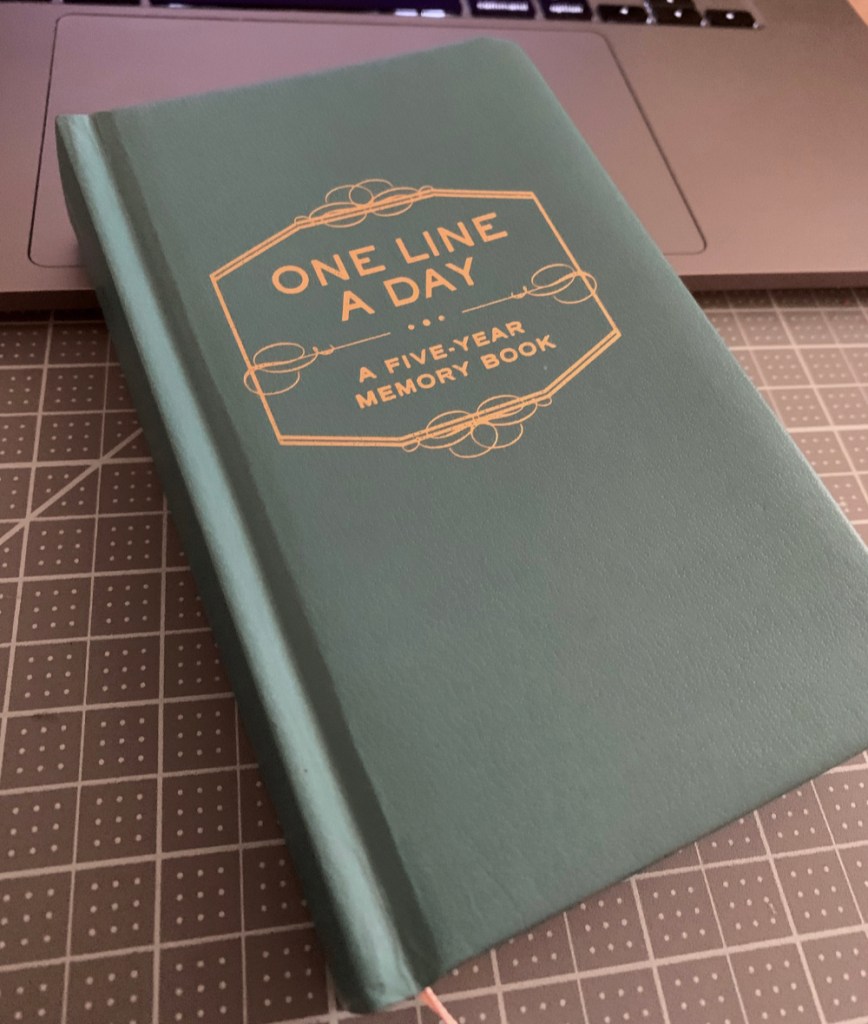
I started it in April (May?), and backfilled it to catch up (and move ahead a little bit). And I’ve found that when I go looking for quotes specifically for this project, they’re overwhelmingly quotes I’ve seen for years, almost all attributed to old white guys. (In other words, the quotes filled in for first few months of this year are pretty milquetoast. Not the point of the project, for sure, but a way to catch up for this year.)
To counter that, I’m trying to read more, so I can find quotes that I haven’t seen before, at least some of which are attributed to women, black women and other women of color, LGBTQ+ authors and activists. I love an inspirational quote as much as the next person, but I’m trying to spend more time being challenged. When I see something that catches my eye, I’ll send it to myself or make a note on my phone.
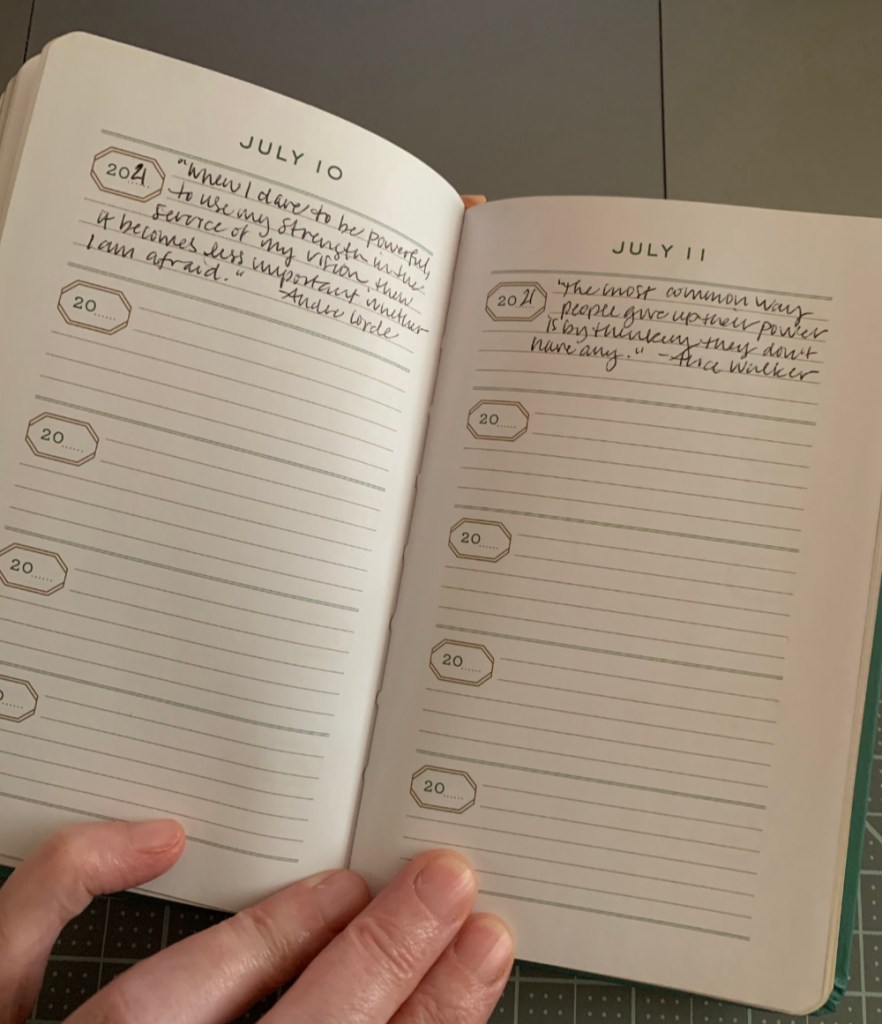
Depth of field not great — but you get the idea.
It’s a small thing, easy to do, and it’s creating a record of the things I’m reading and reflecting what I’m thinking about. Big H/T and shoutout to Austin Kleon for a wonderful idea!
Our backyard is, objectively, a mess. There’s no getting around it. When we moved in, it was full of lawn, surrounded by small beds full of annuals.
Here’s the thing: I’m not a fan of annuals in large quantities (they’re lovely in seasonal pots and accent beds, I’ll admit, but I’d rather invest in shrubs and perennials — that’s a personal preference); the garden plot was as far away from the house is it could be, and covered in black plastic; and grass just doesn’t like to grow on this plot of land without significant infusions of water, fertilizer and herbicides.
So it has been — and continues to be — an education. We’ve widened the beds. We moved the garden beds so they’re closer to the back door (and water supply), and the consequence of that is that we’ve eliminated a significant chunk of lawn. We’ve expanded the patio so we have a place to sit and relax *AND* a place to eat when we’re outside. We’re converting the west side of the yard into perennial and flower beds.
In that effort, we have some help from our neighbors, who have some vining plants that take over half of the fence. There’s some Virginia Creeper, and…
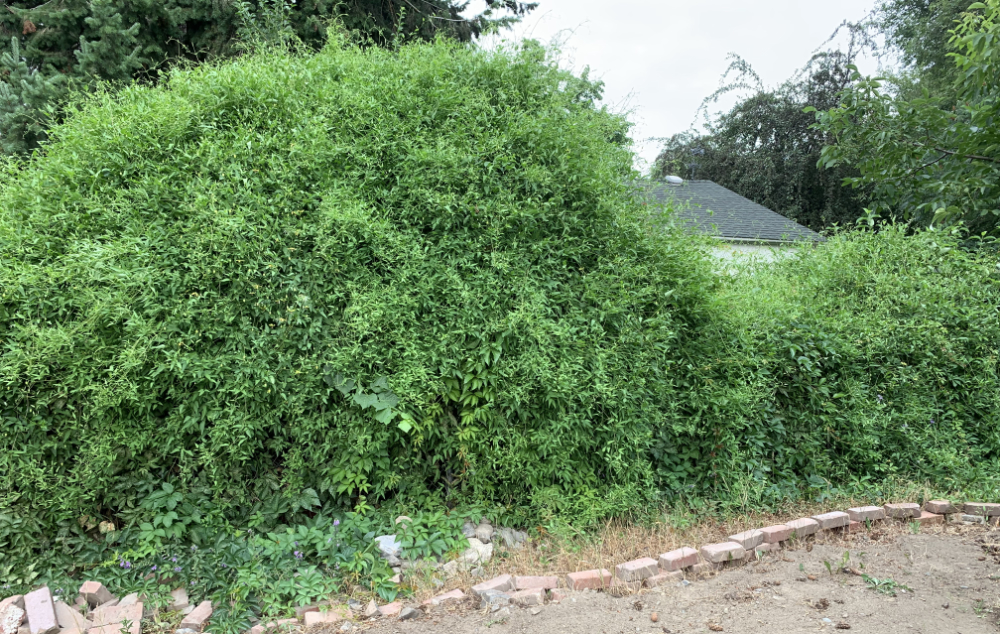
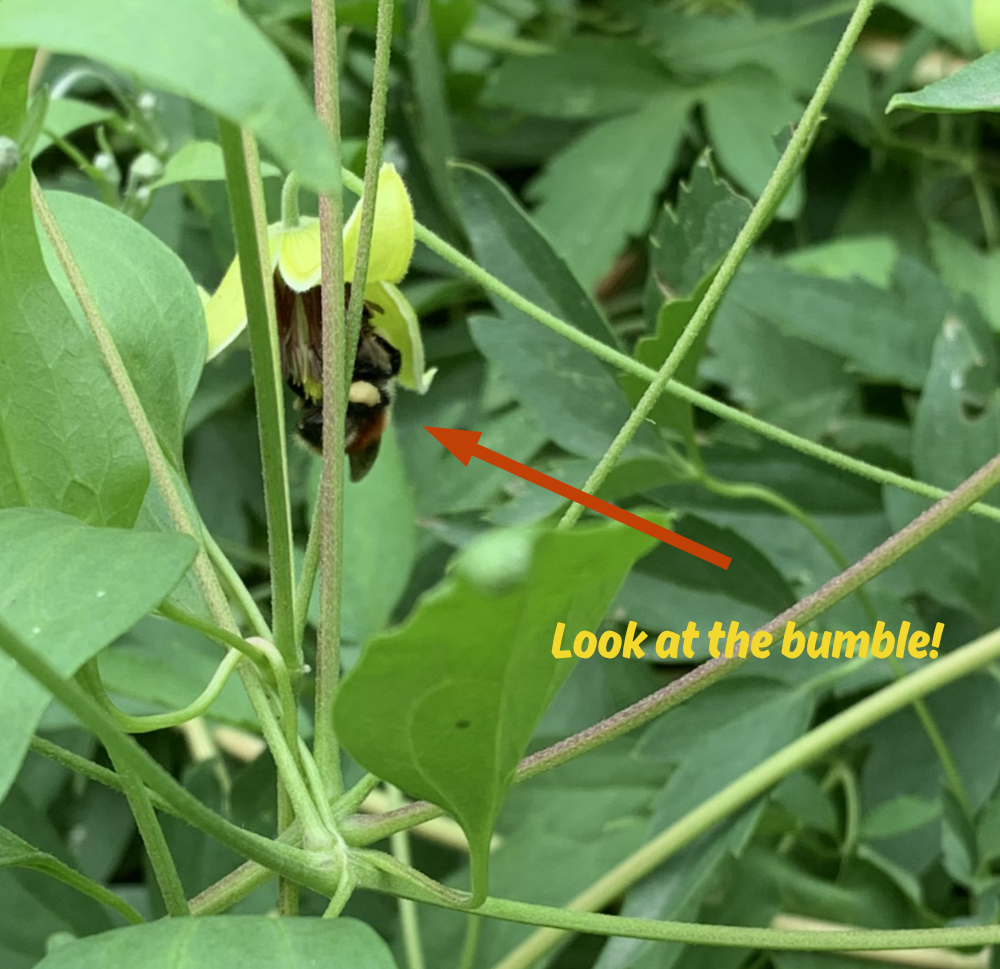
… a clematis, species unknown. We pruned all of this back — hard — early this spring. I was concerned that we had killed it off, but as you can see, that’s not an issue.
These aren’t the huge, showy clematis flowers I’m used to. They bloom in late summer. They’re small and yellow, and produce puffy seed balls.

The best thing about this clematis is that the bees ADORE it. All the bees: honey, bumble, mason, along with other pollinating insects. It’s a lovely, lovely thing.
Actually, it began a couple of weeks ago, but we don’t know how much longer it will continue.
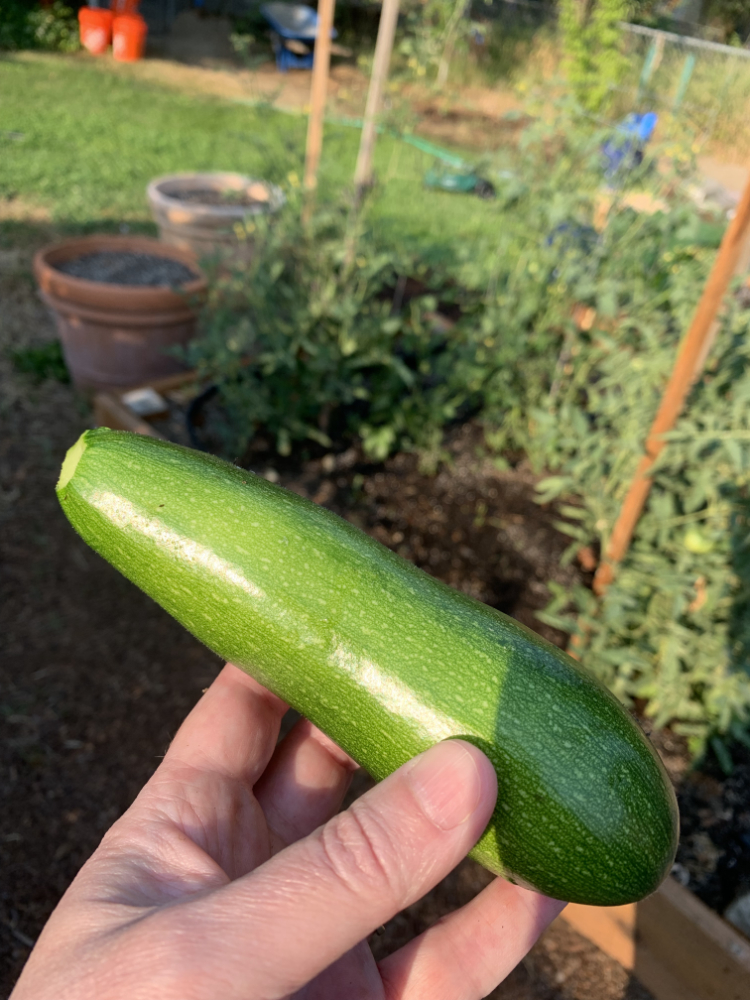
It has been so hot and so dry here that the corn (which I planted a little late anyway) remains stunted. We’ve got some fruit on our tomato plants, but I’m watering quite a bit every day and the leaves are still a little bit wilted.
Yesterday it was 105°F with an AQI of 160 (pretty smoky, but not 400, which we experienced last year… and may still experience this summer). It “cooled down” to 77°F overnight. We’re getting a little bit of a respite today before it heats up to the mid-90s again on Monday.
BUT. Yesterday I shredded four of our zucchini and put 8 cups of shredded zucchini in the freezer for zucchini bread… when it cools down enough to use the oven. So we’ve gotten something from the garden.
AND. This morning a family of quail foraged in the back yard, which is torn up because we’re installing a new patio (when it’s not 100° out). The lawn is mostly clover and some of the yard is just dead dirt (mostly excavated from the patio area). In short, it’s a mess. But we don’t use pesticides, there’s a dish with water for the birds and insects, we have plenty of places to escape to and places to look out for predators. We are so lucky to have these visitors.
Let me start by saying that Simone Biles is better at gymnastics than I will ever be at anything.
She’s also, it appears, better at defending her mental health.
On Tuesday, July 27, Simone Biles — the greatest gymnast of all time — withdrew from the team competition at the Olympics, citing a medical issue. As it turns out, she’d developed a case of what Nastia Liukin called “the twisties” — she was having trouble orienting herself in the air.
If you’re Simone Biles, and you’ve devoted your life to being able to move explosively, complete multiple rotations and twists, and land on your feet, having “the twisties” could lead to a catastrophic outcome. She works at such a high level of skill and difficulty that things have the potential to get very dangerous for her if they go pear-shaped.
It doesn’t matter what I think — I’m not an expert on elite athletes and their struggles — but withdrawing from the competition seems like it was absolutely the right move, here. For her mental health. For her *physical* health. And for her team.
For her mental health: I can only imagine how difficult it is to have to perform, on demand, at the highest level, on the world stage. Over and over. To have to face that kind of pressure when you know you’re not performing at your best, and when not performing your best can lead to serious injury, seems like it would be a lot.
For her physical health: If you’re a swimmer and you have a bad day, you could lose your race if you’re favored to win. I’m sure the pressure to perform in that instance is still crushing, and it can exacerbate any existing physical issues you’re struggling with (or lead to new ones). I think, though, that adding tumbling (on or around a gymnastics apparatus) to that mix adds another layer of danger — that also applies to sports like diving, skateboarding, perhaps surfing and rhythmic gymnastics. I’m grateful that Biles didn’t try to power through and risk serious injury to herself.
For her team: If Biles had been seriously injured, it would have been devastating to the meet and to her teammates Jordan Chiles, Suni Lee and Grace McCallum. Chiles, Lee and McCallum may have been surprised or frustrated by the turn of events on Tuesday, but you would not have known it from their performances. They were grace under pressure, and they were excellent. On that front, I’m grateful to Simone Biles for giving her teammates an opportunity to shine.
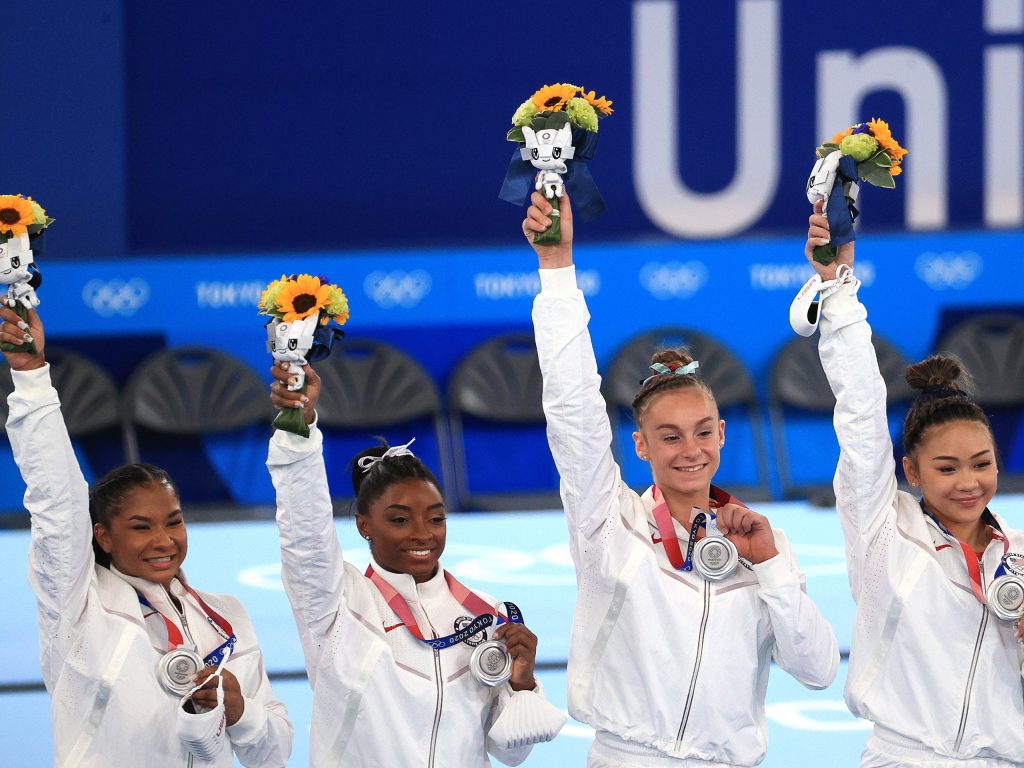
I’ve seen some “hot takes” criticizing Biles for her decision. Those are stupid and wrong, and seem to be held mostly by white dudes who should keep their opinions to themselves if they can’t offer support, because they are neither a) elite athletes with an understanding of how the human body or brain actually work, nor b) mental health professionals with sports performance experience.
Mental health is important — and widely overlooked. It shouldn’t be. We need more examples set by people like Simone Biles. Or Naomi Osaka. They owe us nothing, but I’m grateful for the examples they set that show us that it’s a good thing to understand that sometimes things are not what they should be, and it’s important to take a step back, for your mental health, for your physical health, and maybe for your team.
P.S. As a person who lived with undiagnosed anxiety for 30 years, I recommend therapy for everyone. We’ve all got baggage, and it’s worth your time to see if you can manage some of yours.
P.P.S. BTW, I still have anxiety — it’s as much a part of me as my brown eyes — but it’s ability to run my life is somewhat diminished thanks to therapy.
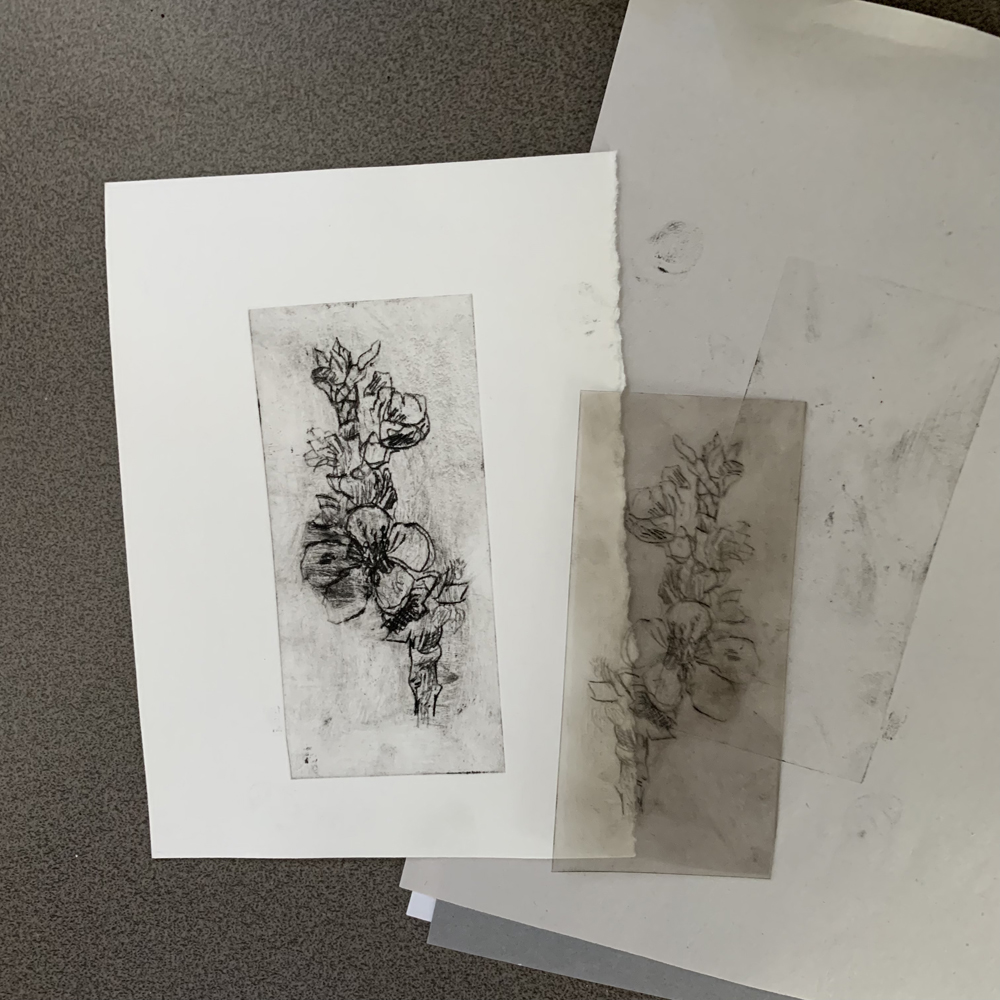
One thing I’ve never really done (aside from carving erasers) is printmaking, so when the opportunity to try something new presented itself, I took it.
The type of printmaking: drypoint, on plexiglass. At the Spokane Print & Publishing Center (same place as the bookbinding workshop), so we would get to use their big presses.
Another super fun experience, with amazing people. And another experience where my expectations were so low (I’ve never done this before — it could have been a disaster) that any success was magic.
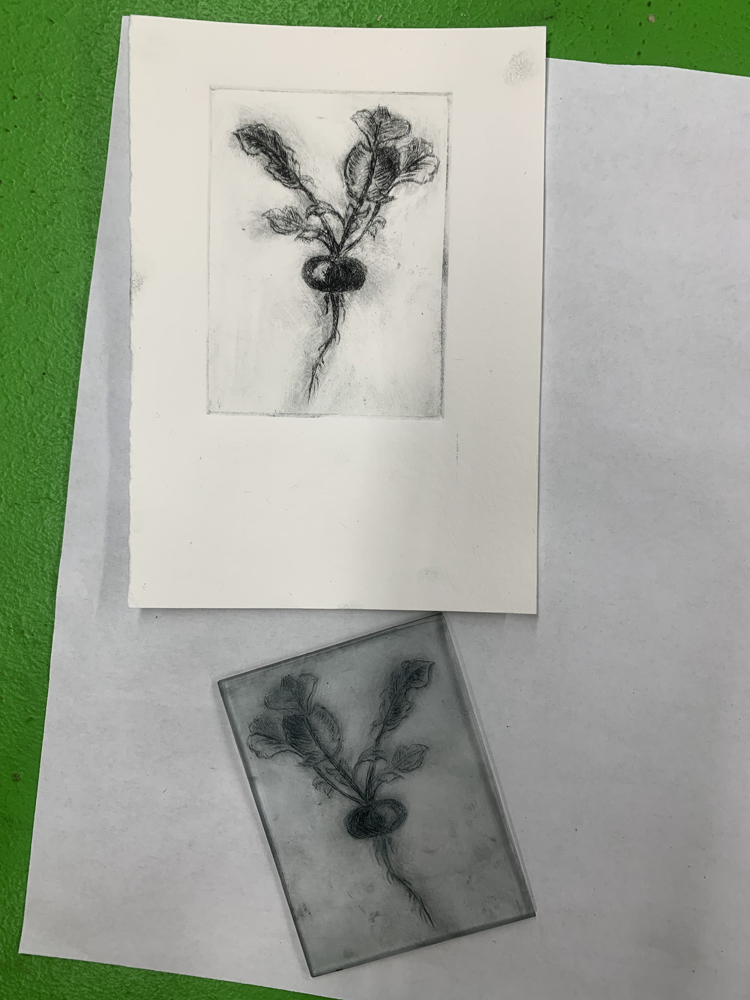
I obviously have much to learn, but I think this was a good first effort, and it was a really fun thing to do.
I’d like to do more of it, so I attempted to an experiment (based on a YouTube video): using a pasta machine as an etching press. Obviously there are size limitations, and it will take some experimentation with materials to really figure it out, but as a proof of concept, it worked.
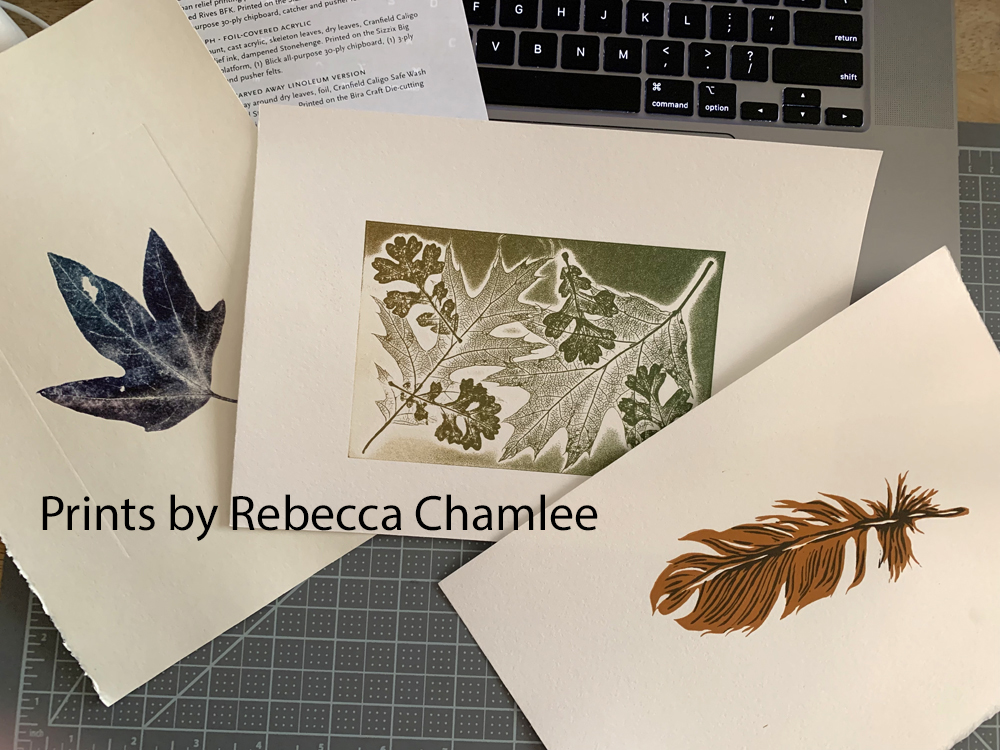
I took a Zoom workshop a couple of weeks ago, offered by the Book Arts Program at the University of Utah, with Rebecca Chamlee from Pie in the Sky Press. The workshop, Print at Home: Craft-Press Printmaking, featured printmaking using craft embossing machines (like the Sizzix Big Shot). It. Was. Amazing.
Rebecca Chamlee is a generous teacher and artist. She sent participants samples of prints made on these presses.
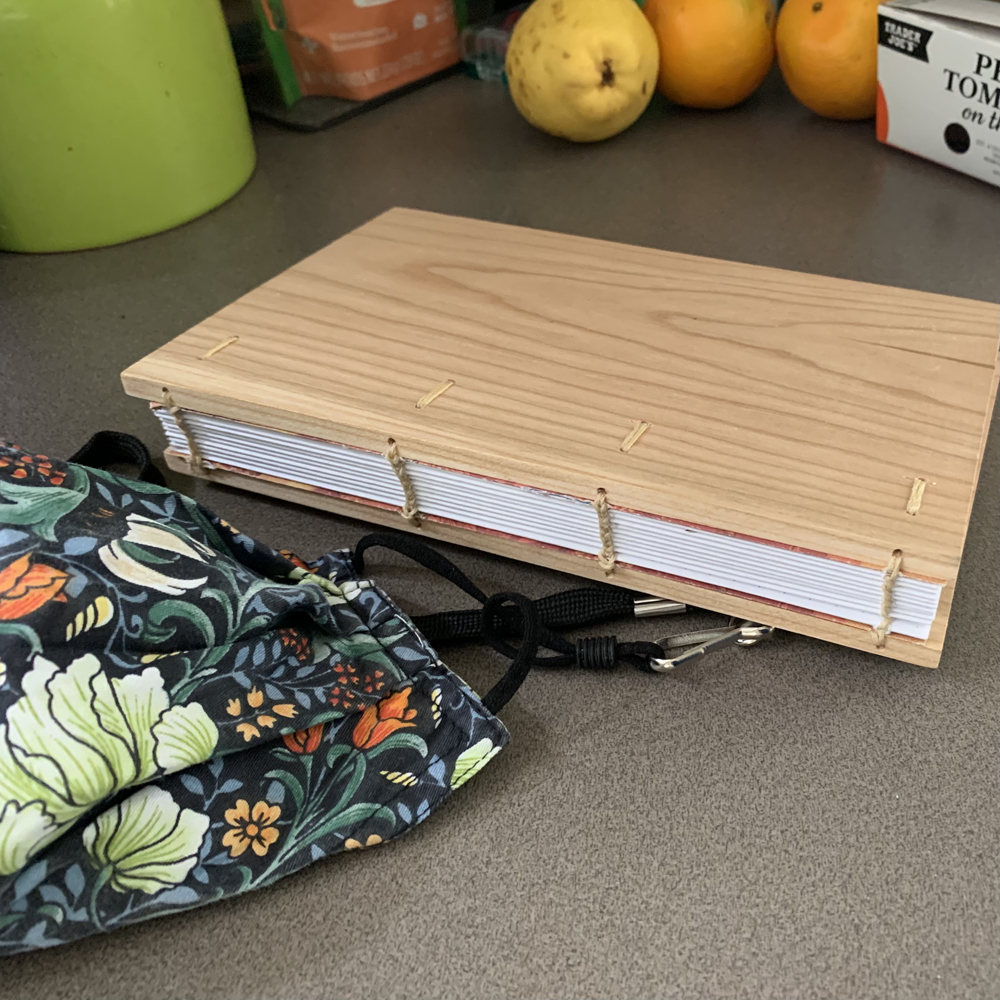
One of the first things I did after getting the Covid vaccine was take a bookbinding workshop.
It was so amazing to be able to spend time with other people. (We were all still masked at that point, so it even felt mostly safe!) And it was amazing to learn something new with no expectations for the result. When your expectations are so low, everything seems amazing.
(I had done some book binding, many years ago, but mostly single signature folded or sewn structures.)
I made many mistakes. This is an imperfectly bound book, to be sure, but I was grateful for the instruction and for the experience.
It was so wonderfully fun to learn something new with other people. I’m looking forward to having more experiences like this.

Since then, I’ve made a couple of other small books using papers from around the house.
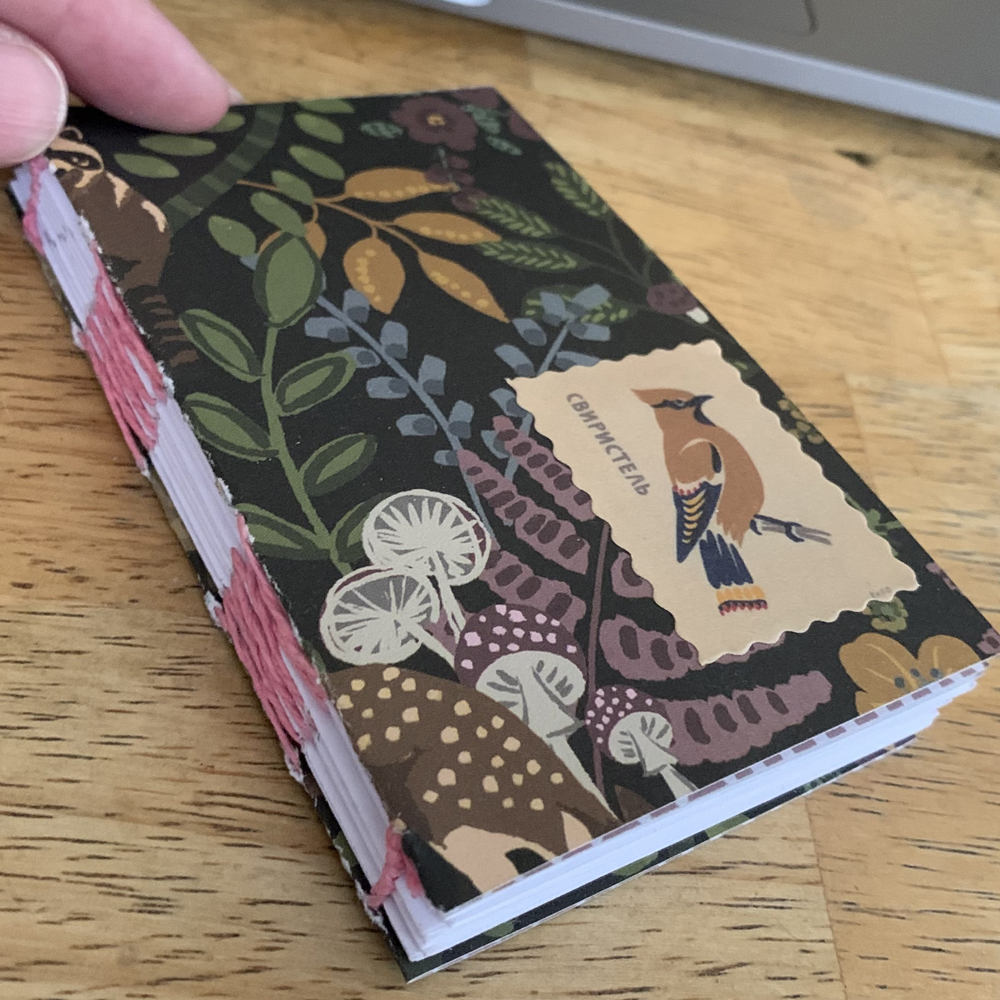
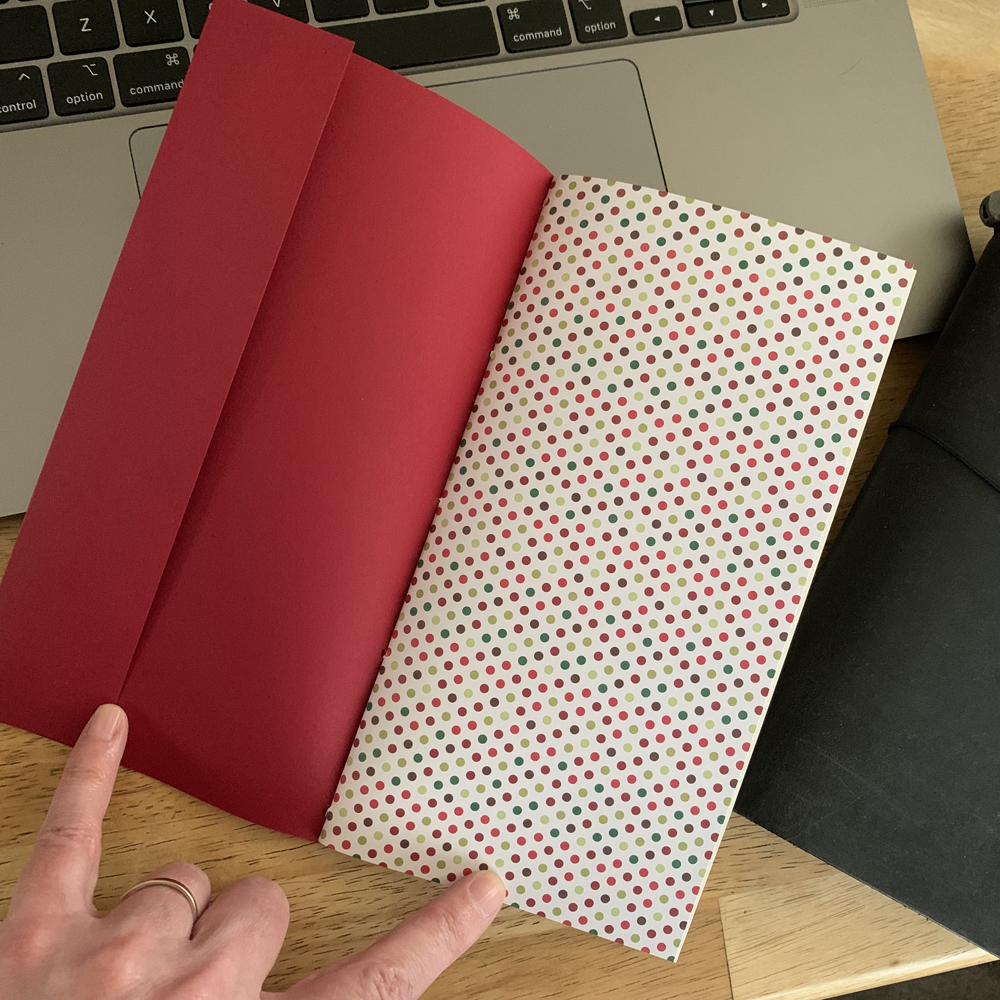
I’d like to do more book binding. And no, I don’t know what I want to do with it.
 Carmen Yount