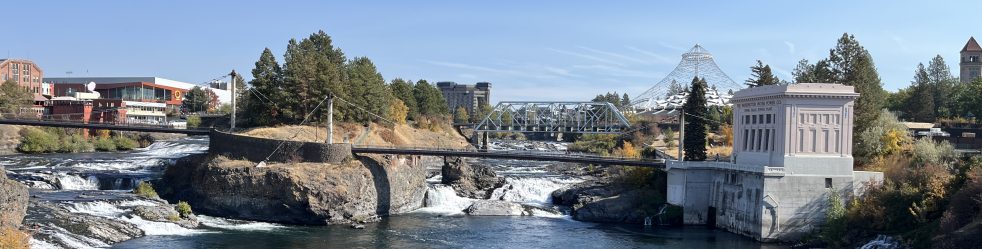
Dana went to the College World Series in Omaha over the weekend (bucket list for him, and a good time to go because his team was playing!). My mom came to Spokane for a visit. It was Hoopfest weekend. We live with an 8-month-old puppy.
There was a lot going on.
One of the highlights of my mom’s visit was a trip to The Northwest Museum of Arts and Culture (the MAC).


The MAC is a very small museum that often features traveling exhibits. This summer the big draw is an exhibit about three generations of the Wyeths, featuring work by N. C. (the prolific American illustrator), Andrew (likely the most well known of the Wyeths), and Jamie (son of Andrew, a respected artist and illustrator in his own right).
It’s a great exhibit, for a lot of reasons — the featured work is wonderful and the curation is thoughtful. N. C. Wyeth is in the pantheon of 20th century American illustrators influenced by Howard Pyle. His work was made to be reproduced, and he demonstrated incredible mastery of lighting and color.
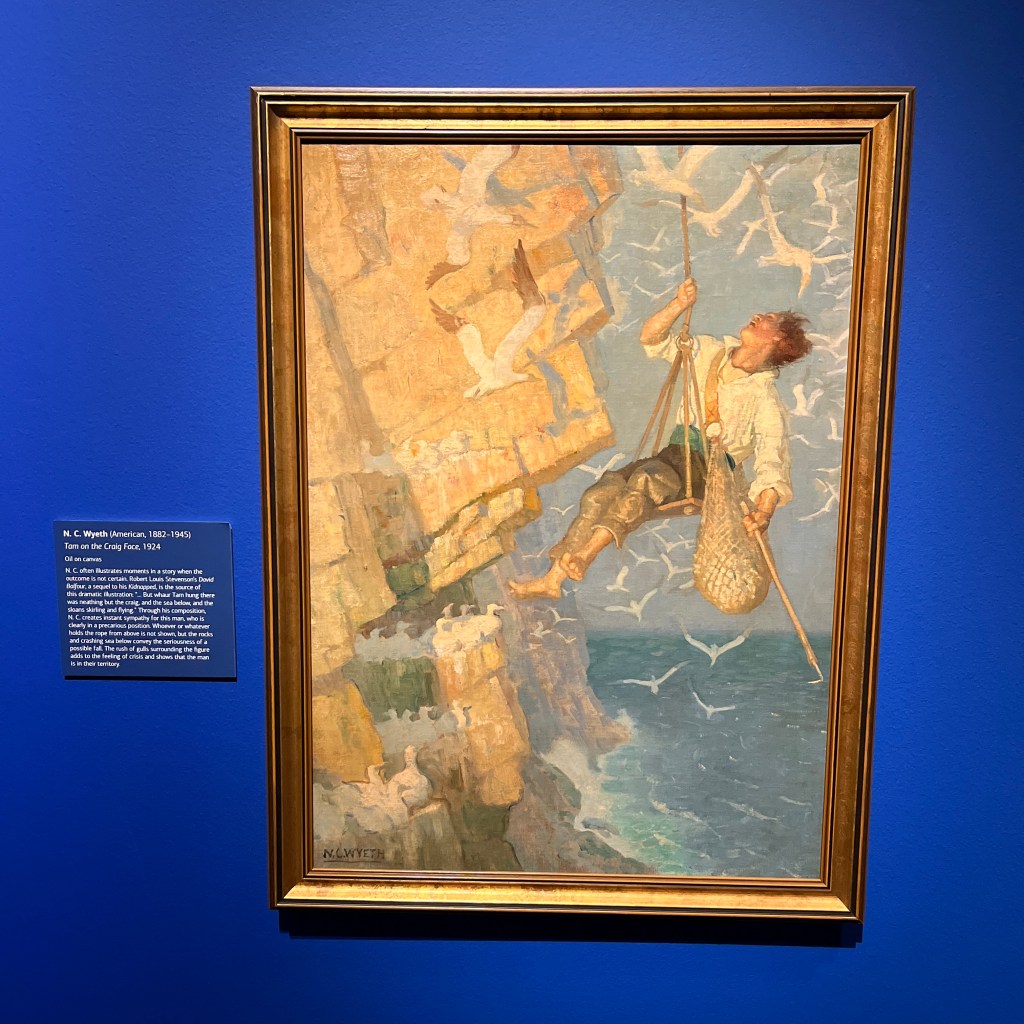
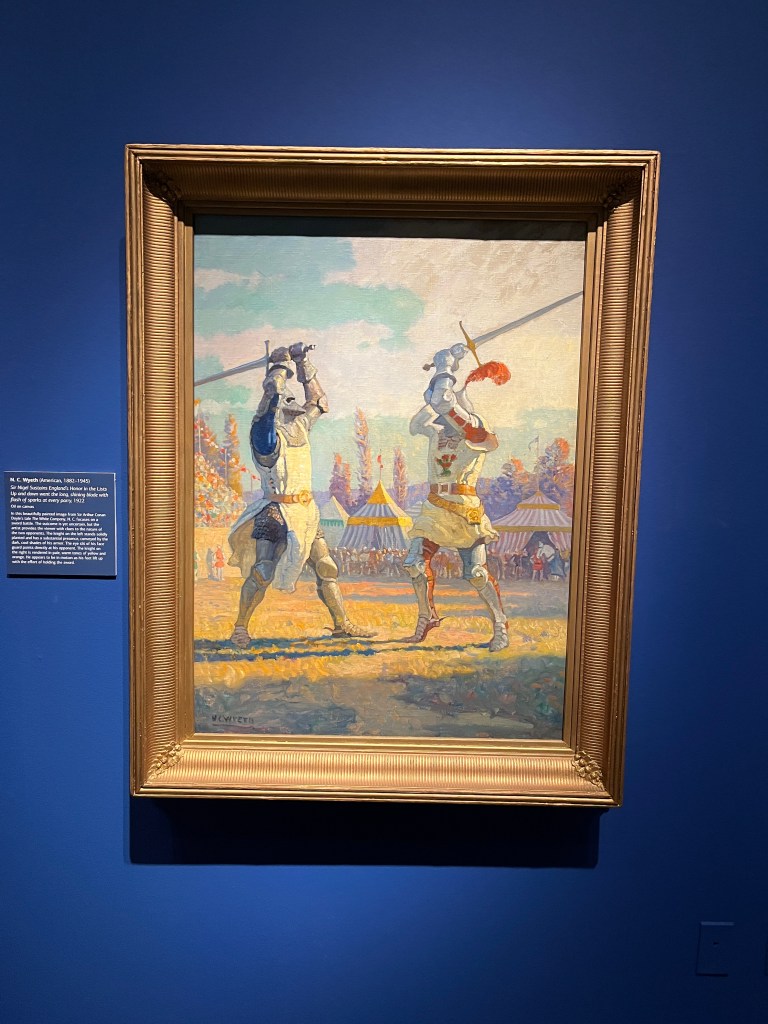
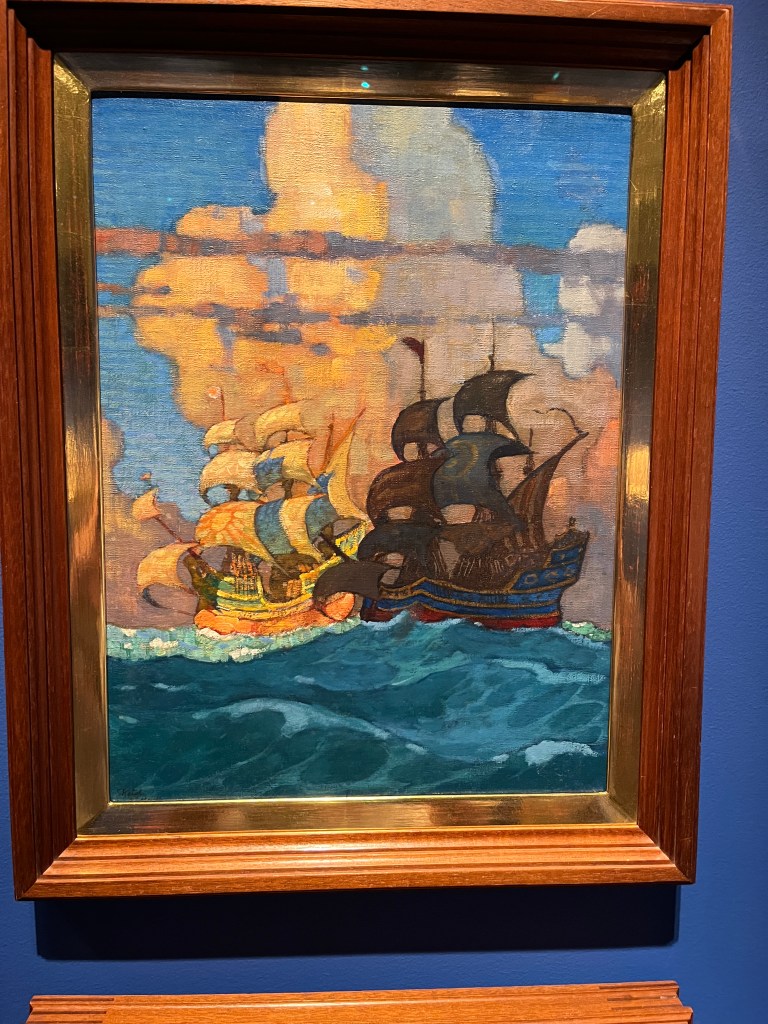
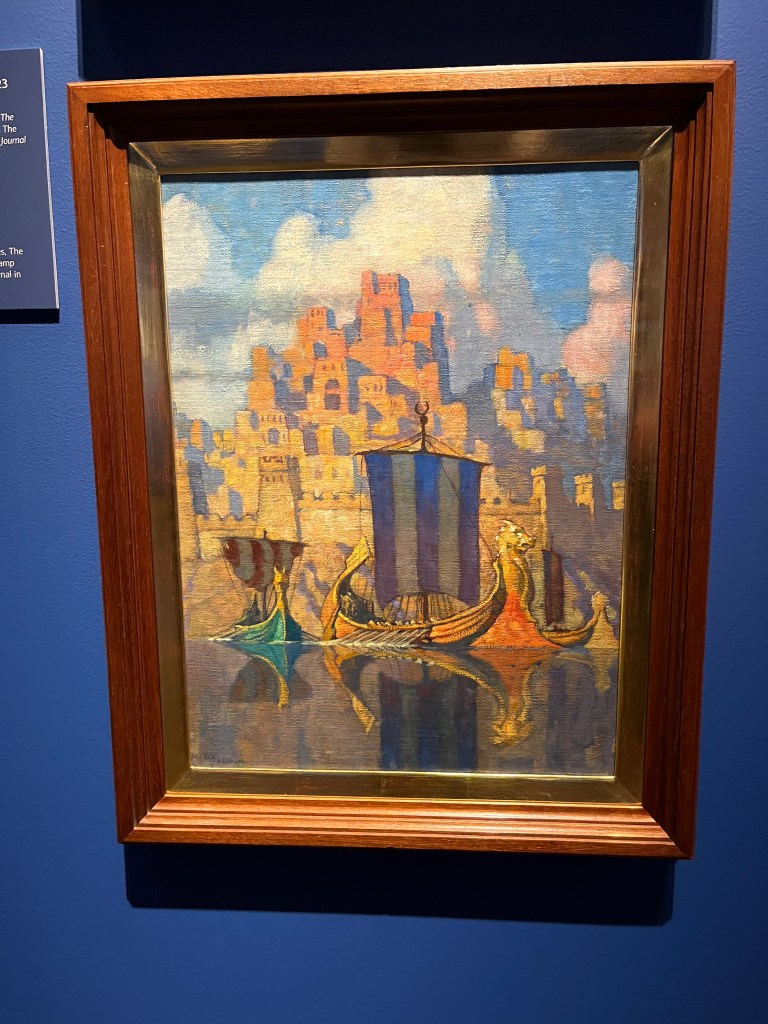
Wow wow wow. This hits me where I live. It was an incredible opportunity to see some of the paintings that became book illustrations.
One thing that struck me is how different approaches to work become when the reason for the work changes. N. C. Wyeth was an illustrator. His work, commissioned by others, required a specific narrative quality, with attention to the details that would have allowed for photography, reduction, and printing. The ability to be sensitive to those issues requires a sophisticated knowledge of technology, in addition to narrative and artistic sensibilities.
When Andrew and Jamie made/make work, it was/is more often a personal expression in response to their lives or environments. Freed from the constraints of technology, their work tends to be more softly lit and less obviously narrative.


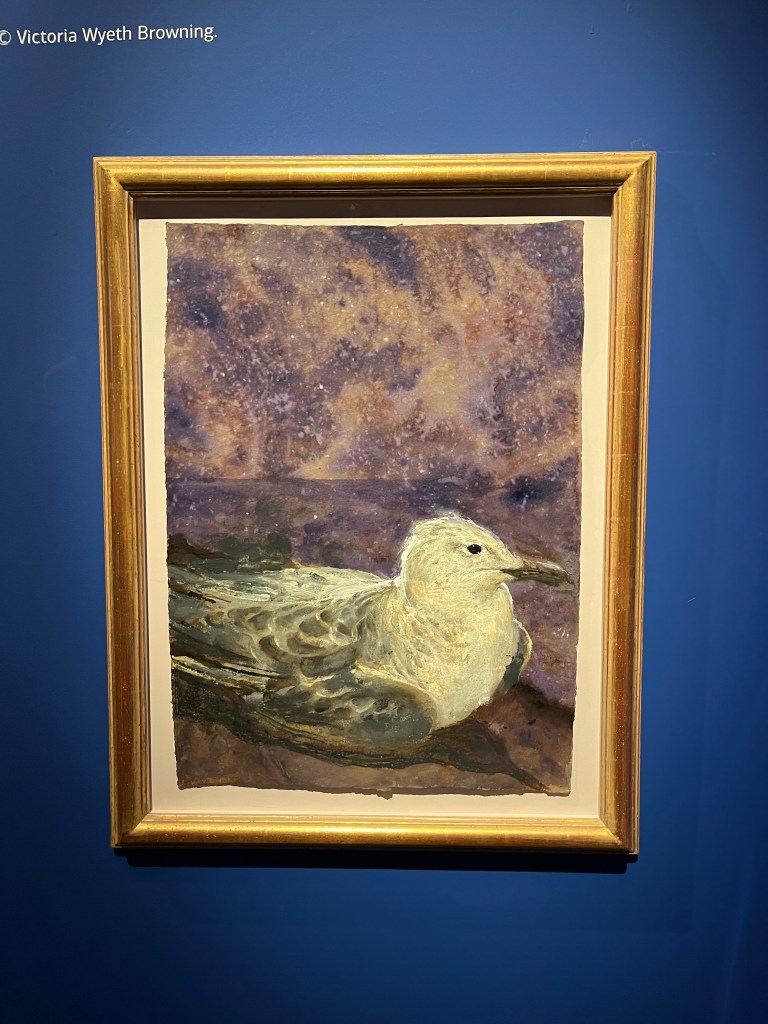
Also wow wow wow… but for different reasons.
There is another exhibit on display right now that is worth the price of admission: Frank S. Matsura: Portraits from the Borderland. Matsura was a Japanese immigrant who settled in Okanogan County in the early 20th Century. He made portraits of the Syilx (Okanogan) people who were his neighbors. In a time when photographers were using their work to create the settler narrative that Indigenous people were disappearing, Matsura photographed his neighbors as they were: people who were trying to figure out how to assimilate (in order to survive!) and hold onto their cultural identities.
The portraits are beautiful and deeply moving, and in them you see a sense of understanding that might only have been available to Matsura (an immigrant newcomer who was also seen as “other”).
In the last couple of years, I have seen a couple of exhibits at the MAC that have given me better perspective on the Indigenous people of this region, and I am deeply grateful for this kind of context. Last year there was an amazing exhibit of hand-carved canoes from the peoples of this area — one of which went off display for a while during the exhibit because they are not artifacts from the past!
Museums can be difficult places for kids, even a small museum like the MAC. One of the neatest things I’ve seen over the last couple of years is a space set aside (for kids of all ages) for activities.
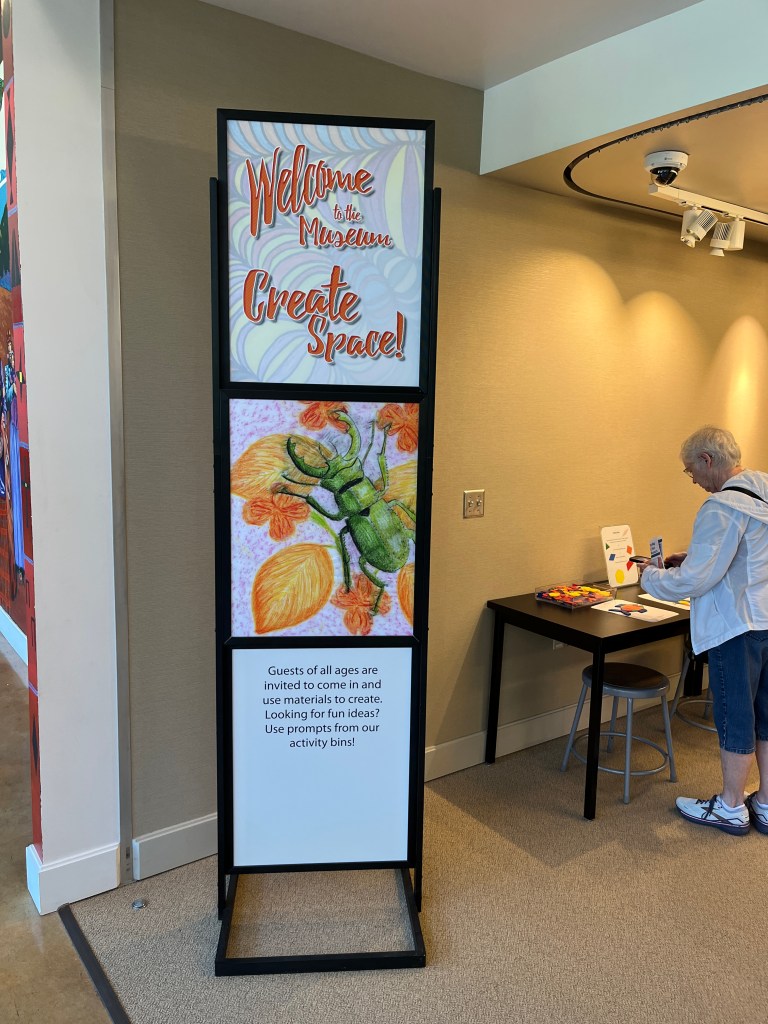
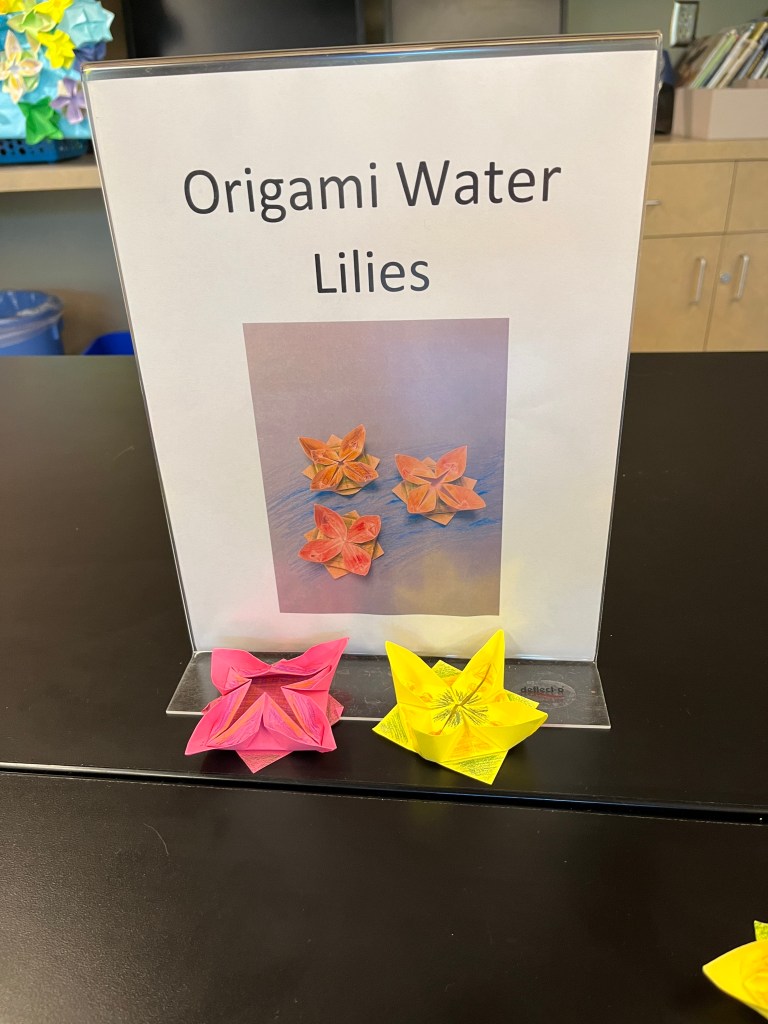
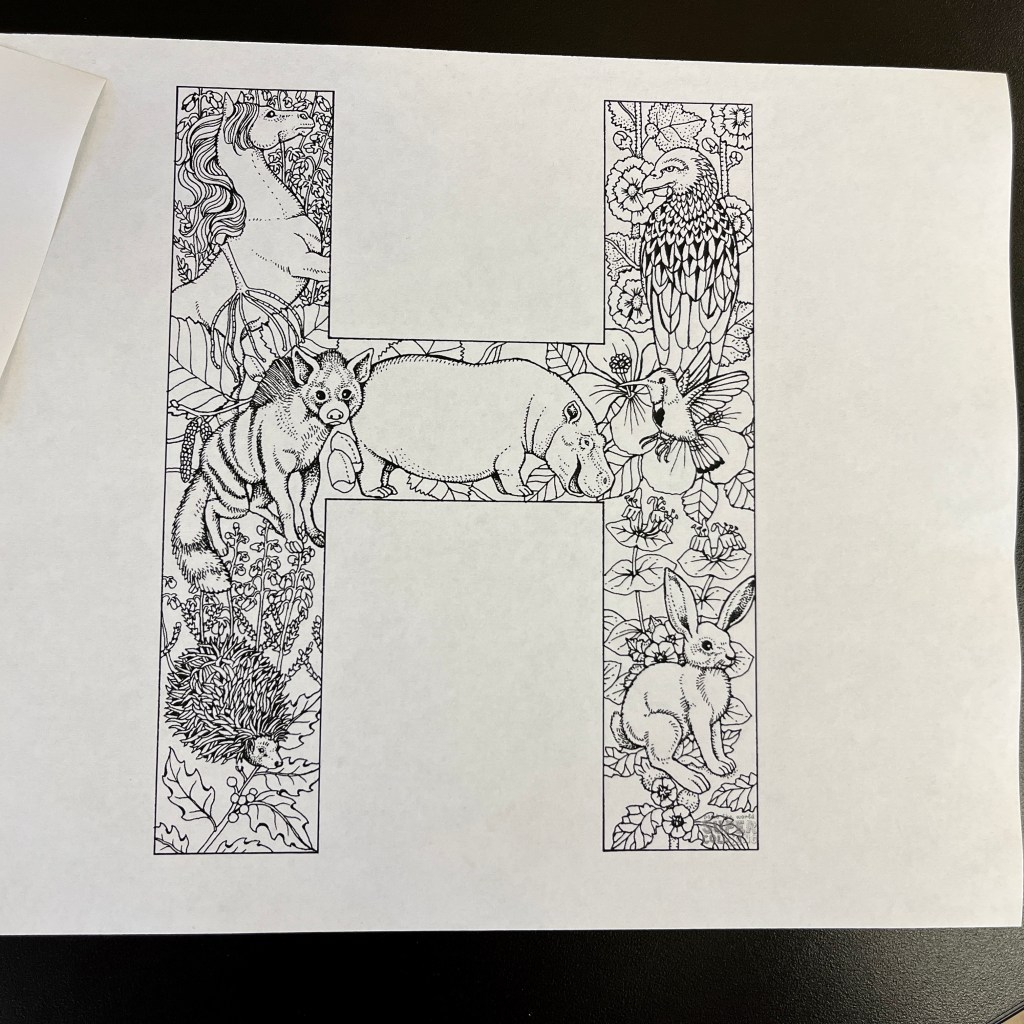
There were drawing and coloring activities, a table with an origami activity, kinetic toys for builders, tangram-like puzzles, and some children’s books. Last year for the Dreamworks exhibit, this space was set up with computer animation equipment for people to try.
This is a really good idea. The tables and stools were intermediate height, not specifically for tiny humans, but not out of reach for them. The activities are designed engage different kinds of interests and abilities. It’s a part of the museum where people who aren’t interested in the exhibits can participate, which would be particularly important for times like now, when the exhibits are designed for people who are, you know… um… likely a bit older.
The animal alphabet coloring pages, which I loved, can be found here: https://www.supercoloring.com/coloring-pages/letters-and-alphabet/english-alphabet-with-animals.
 Carmen Yount